Septic Tank Pumping for Los Angeles Homeowners
Request an estimate and compare
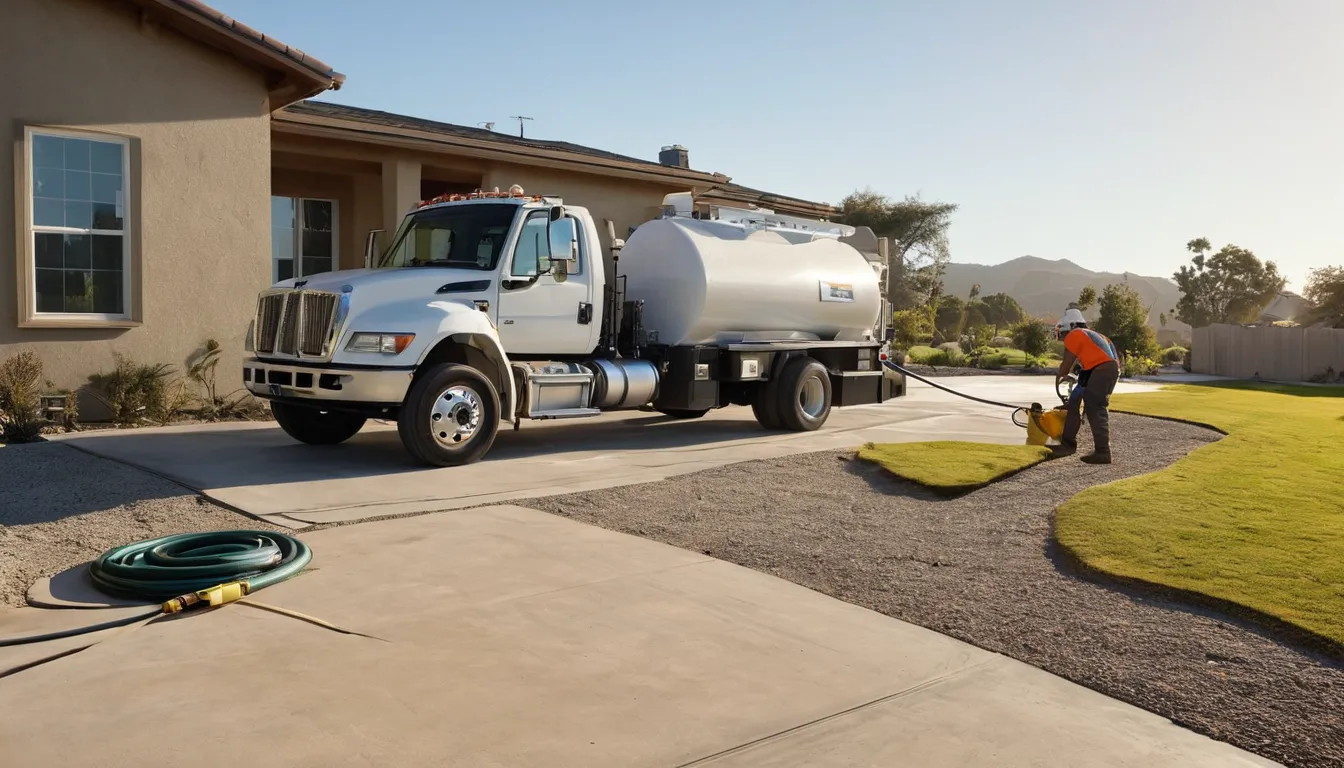
Septic tank pumping removes the sludge and scum that build up inside your tank. Left alone, those layers can push solids toward the drainfield, and drainfield repair costs far more than a routine pump-out.
Besidesdeals Septic is a referral service. We connect homeowners in the Los Angeles area with independent providers in our network. The provider does the work and sets the price. You can request an estimate, compare written quotes, and decide at your own pace. Quote first, decide later. There is no obligation to hire anyone.
Is Your Tank Full or Overdue?
Some signs mean you should act soon. Slow drains throughout the house are one. Gurgling pipes are another. So are sewage smells near the tank lid, or soggy ground over the drainfield.
If sewage is backing up into a tub or toilet, stop using water. Don't keep flushing and running the washer. Every gallon adds to the problem. Many providers offer emergency septic cleaning and can respond quickly, though availability varies.
Backups Versus Routine Pumping
There is a price gap between planned and urgent visits. A scheduled pump-out lets you compare several quotes. An urgent one limits your choices, and rates for rush or after-hours work can run higher.
That is the first trade-off to weigh. Pumping on a schedule is usually the lower-stress, lower-cost path.
Why Regular Pumping Pays Off
Inside the tank, heavy solids sink and form sludge. Grease and light material float as scum. Clear water in the middle flows out to the drainfield.
When sludge and scum pile up, less room is left for that middle layer. Solids can then slip out and clog the soil. A clogged drainfield may need drainfield repair or even replacement, which is a much bigger bill than pumping.
Think of pumping as cheap insurance for the costly part of your system. It is not a policy, just good upkeep.
How Often Should You Pump?
A common rule of thumb is every three to five years. Your own number depends on a few things:
- Tank size
- How many people live in the home
- How much water you use each day
- Whether you use a garbage disposal
A bigger household with a smaller tank needs pumping more often. A couple in a large tank may stretch it longer. A provider can measure sludge depth and suggest a schedule that fits your home.
What Drives the Price
Pumping prices vary from job to job. Here is what moves the number:
- Tank size. More gallons means more time and a larger load.
- Access. Buried lids may need digging first.
- Distance. Longer drives and disposal trips can add to the quote.
- Condition. A tank that has gone years without pumping takes more effort.
- Extras. Filter cleaning or an inspection can be added.
Ask each provider what the quote includes. A low number that leaves out lid access may end up higher than a fair, complete one.
What Happens During a Pumping Visit
The provider locates the tank and opens the lids. A hose pulls out the liquid and the solids. Many providers then check the baffles, look at the inlet and outlet, and note any cracks or odd water levels.
Expect the visit to take a short while for a typical tank. Keep pets and kids away from the open lids.
Pumping and Inspections
Pumping and inspecting often go hand in hand. With the tank empty, a provider can see the walls and fittings clearly. Ask whether a basic look is part of the price or an add-on.
If the provider spots a problem, ask for it in writing with a separate quote. Then you can compare that repair estimate with others before agreeing.
Buying or Selling a Home With a Septic System
Many buyers ask for a septic inspection, and some lenders want one. Pumping before the inspection can help, because the inspector can see the tank better. Sellers may want records of past pump-outs on hand.
Buyers, plan for this cost early. Learning the tank's condition before closing helps you negotiate calmly.
Caring for Your System Between Pumpings
Small habits protect your tank and your wallet.
- Spread laundry across the week instead of doing it all in one day.
- Fix leaking toilets and faucets.
- Keep grease, wipes and paper towels out of the drain.
- Go easy on harsh cleaners and bleach.
- Keep cars and heavy gear off the tank and drainfield.
- Plant grass, not trees, over the drainfield.
Long dry seasons can leave the ground hard and cracked, while winter rain events can saturate it. Both can stress a system, so watch for wet spots after storms.
Questions to Ask Before You Hire
Ask, then choose. A good provider answers plainly. Try these:
- What does the quote include, and what costs extra?
- Will you inspect the baffles and filter?
- How will you tell me if you find a problem?
- Can I get the price in writing?
- How do you dispose of the waste?
A good answer is clear and specific. Be wary of vague totals, pressure to decide on the spot, or a push to add repairs you can't see for yourself.
Compare Before You Commit
Get at least two or three written quotes if time allows. Line them up side by side. Check what is included, not only the total. Then pick the one that fits your home and budget.
What's Included
Tank Pump-Out
A provider removes liquid, sludge and scum from the tank so solids stay away from your drainfield.
Lid Access
Many visits include locating and opening buried lids, though digging may cost extra.
Basic Tank Check
Providers often look at baffles, fittings and water levels while the tank is empty and visible.
Written Quote
Ask for an itemized quote so you can compare providers on equal terms before deciding.
What Pumping Typically Costs
Prices vary by tank size, access and location. These are typical U.S. ranges, not quotes from any provider. Get a written, itemized quote from each provider before you agree to the work.
| Item | Typical range | Notes |
|---|---|---|
| Standard pump-out (1,000 gal) | $250 – $600 | Most common home tank size |
| Larger tank (1,500+ gal) | $400 – $900 | More volume, more time |
| Lid digging or riser access | $100 – $500 | Needed if lids are buried |
| Effluent filter cleaning | $50 – $250 | Often done during a visit |
| Basic tank inspection | $100 – $400 | Varies by depth of review |
| Emergency or after-hours visit | $400 – $1,000 | Rush rates vary by provider |
How It Works
Request an Estimate
Tell us about your home and tank. Besidesdeals Septic shares your request with independent providers in our network.
Compare Written Quotes
Look at what each provider includes, not only the total price.
Ask Your Questions
Check access, timing, inspection and disposal before you pick a provider.
Schedule the Pump-Out
Choose the provider you like. The provider does the work, and you owe nothing for comparing.
Why Call Besidesdeals Septic
Protect Drainfield
Drainfield repair can cost thousands. Regular pumping helps keep solids out of the soil so it lasts longer.
Plan Costs
A scheduled pump-out lets you compare quotes calmly instead of paying rush rates during a backup.
Avoid Backups
A tank with room to spare is less likely to push sewage into your home.
Keep Records
Pump-out receipts help with home sales and make future schedules easier to set.
Other Services
Need septic tank pumping in Los Angeles?
Describe your septic or sewer problem and request an estimate. Independent providers in our network can reply with details and pricing. There is no obligation to hire.
Septic Tank Pumping FAQ
How often should a septic tank be pumped?
Many homes need pumping every three to five years. Tank size, household size and water use change that number, so ask a local provider to suggest a schedule for your home.
How much does septic tank pumping cost?
Typical U.S. prices run from about $250 to $600 for a standard tank, but access, size and condition change the total. Get a written quote from each provider before you decide.
What are signs my septic tank is full?
Slow drains, gurgling pipes, sewage odors and soggy ground near the tank or drainfield are common signs. If sewage backs up, limit water use and request help.
Reach a local provider
Describe your septic or sewer problem and request an estimate. Independent providers in our network can reply with details and pricing. There is no obligation to hire.
No obligation